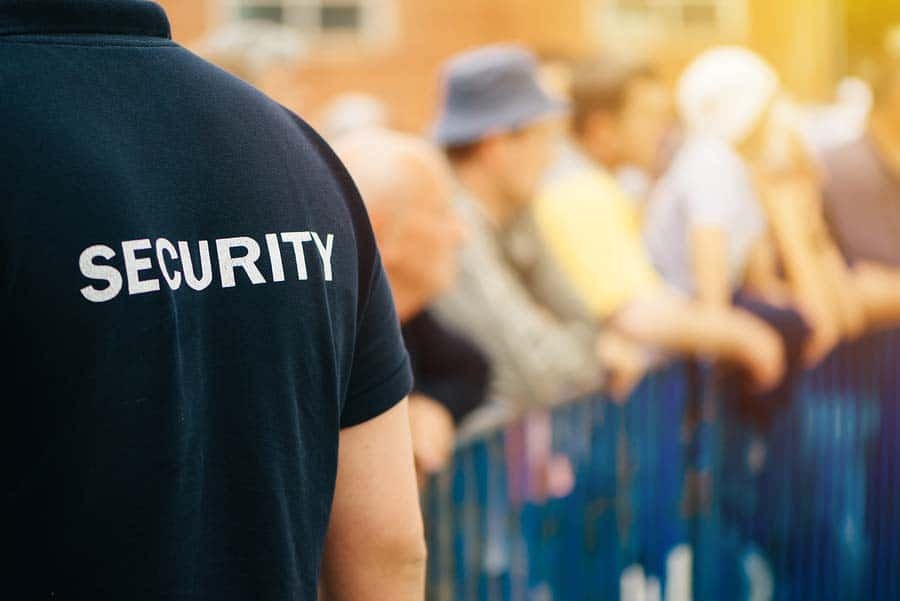
High-traffic retail stores attract a steady flow of customers, employees, delivery personnel, and service providers. While increased foot traffic can create valuable sales opportunities, it also introduces security challenges that retailers must manage carefully. Shoplifting, organized retail theft, customer disputes, unauthorized access, and crowd-related incidents can affect daily operations, employee safety, and the overall shopping experience.
Choosing the right security arrangement is therefore an important decision for retail businesses. A store needs more than a visible security presence; it needs trained personnel who understand retail environments, recognize suspicious behaviour, communicate effectively, and respond appropriately to incidents.
Whether operating a busy shopping centre location, supermarket, department store, or independent retail outlet, retailers should evaluate several factors before selecting a security provider.
1. Understand the Store’s Specific Security Risks
Before hiring a security provider, retailers should identify the risks associated with their location, layout, operating hours, and customer volume. Every retail environment has different security requirements.
For example, supermarkets may experience frequent inventory losses involving high-demand products, while clothing stores may face fitting-room theft, merchandise concealment, and return-related fraud. Electronics retailers may require additional protection for expensive products displayed in accessible areas.
A practical security assessment should consider:
- Average customer traffic during different times of the day.
- Previous shoplifting incidents and inventory losses.
- Store entrances, exits, and emergency access points.
- High-value merchandise and vulnerable product displays.
- Parking areas, loading zones, and delivery entrances.
- Employee safety concerns and customer conflict situations.
- Seasonal promotions, holidays, and peak shopping periods.
Understanding these risks helps retailers determine whether they need dedicated security personnel, mobile patrols, loss prevention support, or a combination of services.
2. Look for Retail Loss Prevention Experience
Loss prevention is one of the most important considerations when choosing security for a high-traffic store. Retail theft can occur in different ways, including concealed merchandise, ticket switching, refund fraud, organized theft, and unauthorized removal of inventory.
Retailers should look for security professionals who understand common retail theft patterns and can identify potential warning signs without making assumptions based on a person’s appearance.
Experienced personnel may help by:
- Observing unusual behaviour around merchandise displays.
- Monitoring vulnerable product sections.
- Identifying suspicious activity near entrances and exits.
- Reporting suspected theft according to established procedures.
- Supporting incident documentation and evidence preservation.
- Coordinating with store management when concerns arise.
Professional loss prevention officer services can support retailers by focusing on merchandise protection, theft prevention, and incident reporting.
Retailers should also confirm that security personnel understand company policies and applicable laws regarding observation, customer interaction, searches, detention, and reporting. Professional conduct is essential to protecting both the business and its customers.
3. Choose Security Guards with Professional Training and Presentation
In a busy retail environment, security personnel interact with customers, employees, suppliers, and management throughout the day. Their appearance and behaviour can influence how shoppers perceive the store.
A professional security presence can help customers feel more comfortable while demonstrating that the business takes safety seriously.
When evaluating uniform security guards services, retailers should consider whether personnel are trained in:
- Retail security procedures and access control.
- Customer service and professional communication.
- Conflict prevention and verbal de-escalation.
- Emergency response and incident reporting.
- Observation and suspicious activity recognition.
- Workplace safety and applicable security regulations.
Uniformed personnel should be approachable and attentive rather than unnecessarily intimidating. They must understand how to balance customer assistance with security responsibilities.
Retailers should also verify that guards meet the licensing and training requirements applicable in their province.
4. Evaluate the Provider’s Ability to Manage High Customer Volumes
A security plan that works for a small retail outlet may not be suitable for a large store with thousands of daily visitors. High customer volumes can make it more difficult to monitor entrances, identify unusual activity, and respond quickly to incidents.
Retailers should ask potential providers how they manage busy periods, including weekends, promotional events, holiday shopping seasons, and special sales.
Important considerations include:
Entrance and exit monitoring: Security personnel should understand how to observe customer movement and identify access-control concerns without obstructing normal shopping activity.
Crowd awareness: Guards should recognize overcrowding, blocked pathways, and situations that may create safety risks.
Staff coordination: Security teams should maintain communication with store managers, floor supervisors, and other relevant employees.
Flexible coverage: Staffing arrangements should account for changes in customer traffic throughout the day.
Emergency readiness: Personnel should know how to respond to medical incidents, disruptive behaviour, evacuation requirements, and other urgent situations.
Retailers should discuss staffing levels and responsibilities before service begins rather than assuming that one guard can manage every security requirement.
5. Assess Communication and Incident Reporting Procedures
Effective retail security depends on timely communication. Security personnel should be able to report concerns clearly and provide management with useful information about incidents.
For example, if a guard notices repeated suspicious activity near a particular product display, the information should be communicated to the appropriate supervisor. Similarly, customer disputes and safety hazards should be reported through an established process.
Before selecting a security provider, retailers should ask:
- How are incidents reported and documented?
- Who receives urgent security notifications?
- How does the provider communicate with store management?
- Are daily activity reports available?
- How are complaints and customer-related incidents handled?
- What procedures are followed when an emergency occurs?
A reliable reporting process creates accountability and helps retailers identify recurring problems. It also allows management to make informed decisions about staffing, store layout, and security procedures.
6. Consider Security Coverage During Opening, Closing, and Deliveries
Retail security needs do not begin and end with customer shopping hours. Opening and closing procedures, stock deliveries, cash handling, and after-hours maintenance can create additional vulnerabilities.
During opening hours, employees may be focused on preparing displays, receiving inventory, or setting up payment systems. At closing time, staff may be counting cash, securing merchandise, and leaving the premises.
Retailers should consider whether their security provider can support these activities through appropriate coverage and procedures.
Useful measures may include:
- Monitoring entrances during opening and closing.
- Observing delivery and receiving areas.
- Helping maintain controlled access to employee-only spaces.
- Reporting suspicious activity around the property.
- Supporting established cash-handling security procedures.
- Coordinating with management during unexpected incidents.
The security provider should understand the store’s operating schedule and establish clear responsibilities for each shift.
7. Check Licensing, Insurance, and Industry Compliance
Retailers should never choose a security provider based solely on price or availability. Professional qualifications, licensing, insurance, and operational accountability are equally important.
Before entering into an agreement, businesses should verify:
- Required company and individual security licences.
- Appropriate liability insurance coverage.
- Employee screening and training procedures.
- Experience with similar retail environments.
- Written service agreements and clearly defined responsibilities.
- Procedures for complaints, incidents, and service reviews.
Requirements vary across Canadian provinces, so retailers should confirm that the provider follows the applicable provincial regulations.
Businesses should also request references or examples of previous retail security assignments where available. This can help assess whether the provider has the experience needed to manage a busy commercial environment.
8. Select a Security Provider That Understands Local Retail Conditions
Retailers should consider whether a security company understands the local business environment, operational challenges, and provincial requirements.
For example, businesses seeking a reliable security guard company Calgary should evaluate providers based on their ability to support retail locations with appropriate staffing, trained personnel, and consistent communication.
A suitable provider should be willing to understand the store’s layout, customer traffic patterns, operating hours, and specific security concerns before recommending a service arrangement.
Retailers should avoid choosing a generic security package without first discussing the property’s actual needs. A customized approach is more likely to provide practical coverage and make better use of security resources.
9. Compare Service Quality Instead of Focusing Only on Cost
Security is an investment in employee safety, merchandise protection, and business continuity. While budget is an important consideration, the lowest-priced service may not provide the training, supervision, or reliability required for a high-traffic retail environment.
When comparing providers, retailers should evaluate:
- Guard qualifications and retail experience.
- Proposed staffing levels and shift coverage.
- Supervisor availability and communication.
- Incident response and reporting standards.
- Flexibility during seasonal traffic increases.
- Service consistency and performance reviews.
Businesses should request a detailed service proposal explaining the responsibilities of assigned personnel, expected coverage, and procedures for handling incidents.
Regular performance reviews can help determine whether the security arrangement continues to meet the store’s changing needs.
Conclusion
Choosing security for a high-traffic retail store requires careful consideration of customer volume, theft risks, employee safety, operating hours, and the property’s layout. Retailers should look for experienced security professionals who understand loss prevention, communicate effectively, and maintain a professional presence.
A reliable security provider should offer more than basic surveillance or entrance monitoring. It should work with store management to develop practical procedures, identify vulnerabilities, document incidents, and adjust coverage as business needs change.
By prioritizing training, licensing, retail experience, and service quality, retailers can create a safer shopping environment, reduce preventable losses, and support smoother daily operations.